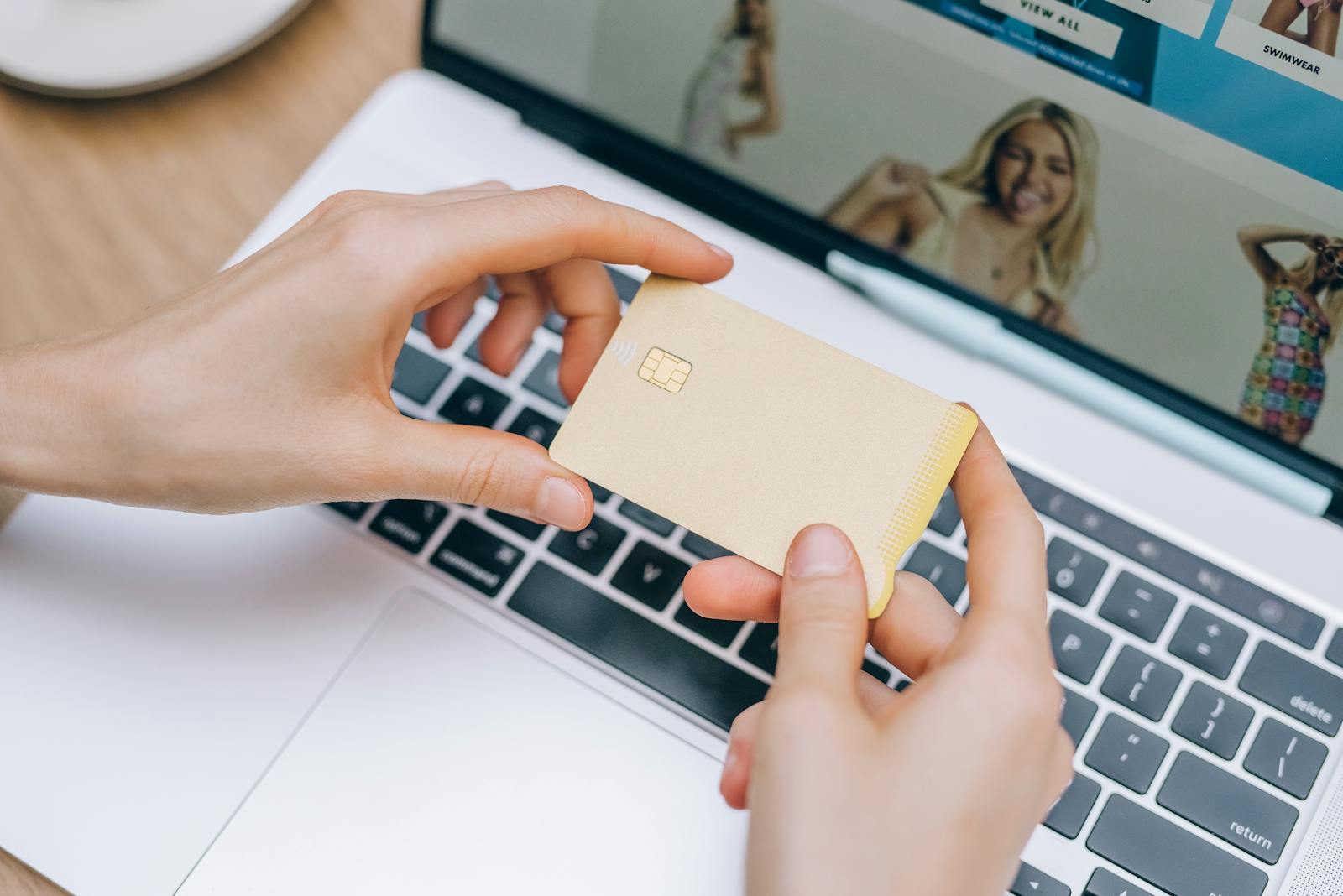
Australia's payment landscape has changed dramatically in the past decade. BPAY, PayID, digital wallets, buy-now-pay-later platforms and real-time payment rails have replaced cheques and bank transfers as the dominant methods for settling commercial invoices. For creditors, this shift creates new questions: when is a payment actually received? What happens when a digital payment is disputed? And does the payment method affect your recovery options?
When is payment received?
For most commercial purposes, payment is received when cleared funds are credited to the payee's account — not when the payer initiates the transfer. This distinction matters most when a due date falls on a weekend or public holiday, when a payer claims they "paid on time" based on when they clicked send, and when a payment is delayed in processing.
BPAY payments initiated on a banking business day before the biller's cutoff time are typically credited on the same day. BPAY payments initiated on weekends or after the cutoff are processed on the next banking business day. PayID and Osko payments over the New Payments Platform (NPP) are generally real-time, but recipient bank processing can add a delay. Your terms of trade should specify that payment means receipt of cleared funds in your nominated account — not initiation of a transfer.
BPAY disputes
A BPAY payment sent to the wrong biller code is a misdirected payment. The payer's bank can attempt to recall the funds, but recovery is not guaranteed — it depends on whether the incorrect biller received and retained the funds, and whether they cooperate with the recall request. A payer who sends a BPAY payment to the wrong reference number and claims the debt is paid has made an error, not a payment to you. Document what reference you provided and verify receipt before updating the account.
Digital wallet disputes
Digital wallet payments — Apple Pay, Google Pay and similar — are processed through the underlying card network. A buyer who initiates a chargeback through their card issuer can potentially reverse a payment that has already been credited to you, subject to the card scheme's dispute rules. For commercial creditors, the risk of chargebacks is most acute where the supply is disputed — another reason why documentation of the supply and the agreement to pay is critical.
Buy-now-pay-later
Where a buyer has used a BNPL platform to pay you, your debtor is typically the BNPL provider, not the end buyer — the provider pays you upfront and collects from the buyer under their own arrangement. The practical risk is that a BNPL-facilitated sale shifts your credit risk from the buyer to the platform, which may be relevant if the platform itself encounters difficulty.
What does not change
The payment method does not change the underlying debt obligation, the limitation period, or the recovery process for an unpaid invoice. An invoice that has not been paid — regardless of the payment method the parties intended to use — remains a recoverable debt. If a debtor claims they "tried to pay" by digital means but the payment did not reach you, the obligation is theirs to prove it. Contact Merion if you have a payment dispute affecting a debt recovery.